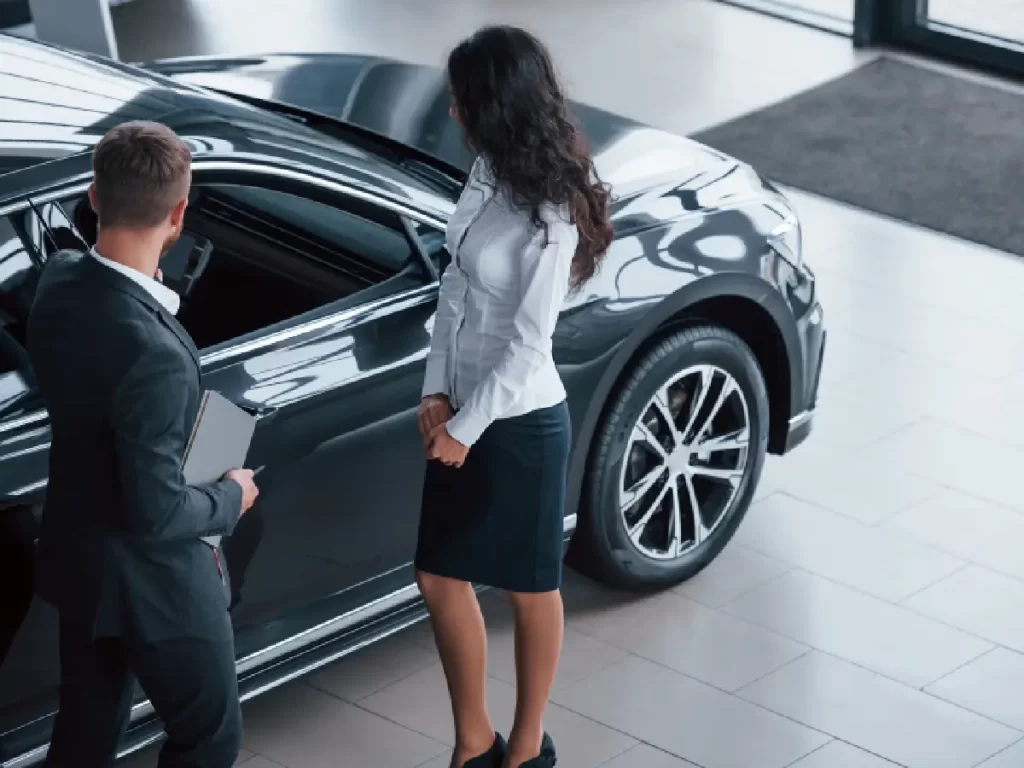
Thinking about buying and selling vehicles as a business in Victoria? Before you list your first car or truck for sale, there is one critical legal question you need to answer: do you need a licence? The short answer is — almost certainly yes. This article breaks down exactly who can legally operate a vehicle sales business in Victoria, what the law requires, who might be exempt, and what happens if you trade without the proper authorisation.
Understanding the Legal Framework for Vehicle Trading in Victoria
In Victoria, the buying and selling of motor vehicles as a commercial activity is governed by the Motor Car Traders Act 1986. This legislation sets out who must hold a licence, what that licence requires, and the penalties for operating without one.
The regulatory body responsible for overseeing this is Consumer Affairs Victoria (CAV), operating through the Business Licensing Authority (BLA). Anyone who carries on a business of trading in motor vehicles — whether cars, utes, vans, or trucks — is generally required to hold a Licensed Motor Car Trader (LMCT) licence.
If you’re new to the concept, it’s worth reading about what a car dealer licence is and why it matters before diving into the eligibility requirements.
Who Is Required to Hold an LMCT Licence?
Under Victorian law, you are generally required to hold an LMCT licence if you:
Deal in four or more vehicles per year as part of a business activity
Buy vehicles with the intention of reselling them for profit
Operate a car dealership or motor vehicle yard
Act as an agent or broker for the sale of motor vehicles
Carry on a business that involves auctioning vehicles
Operate a business that dismantles or wrecks vehicles for resale of parts
Importantly, the law does not require you to have a shopfront or formal dealership premises. Even selling vehicles informally — through online platforms, at markets, or through word of mouth — can constitute “carrying on a business” if there is a pattern of commercial activity. The burden of proof rests with you to demonstrate that you are not operating as a trader.
Important: In some cases, you may need a licence even if you deal in fewer than four cars per year — for example, if you hold yourself out as being in the business of trading vehicles, or if other indicators of commercial activity are present.
Does This Apply to Trucks and Commercial Vehicles Too?
Yes. The licensing requirement extends beyond passenger cars. If you intend to buy and sell trucks, commercial vehicles, or heavy machinery as a business, you will also need appropriate authorisation. Victoria has specific provisions for truck traders, and many applicants choose to obtain a combined licence that covers both car and truck trading.
If you specifically deal in heavy vehicles, it’s worth reviewing the process for obtaining a truck dealer licence in Victoria to understand the additional requirements involved.
Who Is Exempt from Needing an LMCT Licence?
Not everyone who sells a vehicle needs to be licenced. The law recognises certain exemptions, including:
Category | Exemption Applies? |
Private individuals selling their own personal vehicles | ✅ Generally exempt |
Businesses selling vehicles they previously used (e.g. a company fleet) | ✅ May be exempt |
Financiers selling repossessed vehicles under a credit arrangement | ✅ Exempt under specific conditions |
Executors of deceased estates selling vehicles once | ✅ May be exempt |
Individuals flipping vehicles for profit regularly | ❌ Not exempt — licence required |
Online dealers selling multiple vehicles | ❌ Not exempt — licence required |
Even within the “private seller” category, there is a grey area. If Consumer Affairs Victoria investigates and determines that a pattern of buying and selling exists — regardless of how you describe your activity — you could be deemed a trader without a licence. This is a risk that should not be taken lightly.
Individual, Company, or Trust: Who Can Apply?
An LMCT licence in Victoria can be held by:
An individual — a sole trader operating in their own name
A company — a Pty Ltd or other corporate entity registered with ASIC
A partnership — two or more individuals operating jointly
A trust — through a trustee arrangement with a properly established trust deed
The eligibility criteria apply to all of these structures, but the documentation requirements differ significantly. For example, a company application will require details of all directors and shareholders, while a trust application will need a properly executed trust deed and trustee identification. Choosing the right business structure before applying can save significant time and reduce the risk of delays.
Are There Character and Fitness Requirements?
Yes. The Business Licensing Authority will assess whether each applicant — and where applicable, each director or controller — is a “fit and proper person.” This includes a national criminal history check. Past convictions involving dishonesty, fraud, or offences related to motor vehicles may affect your eligibility.
This is one reason why getting professional guidance early in the process can be so valuable. Understanding what the BLA is looking for — and how to present your circumstances clearly — can make the difference between approval and rejection.
What About Operating from Home or Online?
Many people assume that trading from home or running an online-only vehicle sales operation places them outside the licensing requirements. This is incorrect. The law focuses on the nature of the activity, not the location from which it is conducted.
If you are regularly sourcing, purchasing, and reselling vehicles — even via Facebook Marketplace, Gumtree, or private networks — you are likely carrying on a business of motor car trading and will need a licence.
Additionally, even if you trade online or from home, you may still need to satisfy premises requirements as part of your application. Consumer Affairs Victoria may require evidence that you have a suitable business address for the purposes of your trading activity. Understanding what inspectors look for when assessing your premises is covered in detail in the dealership premises checklist for LMCT approval.
What Happens If You Trade Without a Licence?
Operating a vehicle sales business in Victoria without an LMCT licence is a criminal offence. The consequences are serious and can include:
Significant monetary fines
Prosecution and potential criminal conviction
Inability to lodge a new licence application for two years following a refused application
Loss of the $991.30 application fee if your application is rejected
Reputational damage that can affect future business activity
For a more detailed breakdown of the legal and financial risks, the article on what happens if you sell cars without an LMCT licence is essential reading for anyone considering trading without proper authorisation.
Key Takeaway: The two-year ban on reapplying after a refusal is one of the most compelling reasons to get your application right the first time. A failed application doesn’t just delay your business — it can shut it down entirely for an extended period.
How Does Victoria Compare to Other Australian States?
Motor vehicle trader licensing is regulated at the state and territory level across Australia, meaning the rules in Victoria differ from those in New South Wales, Queensland, or Western Australia. While the general principle — that commercial vehicle trading requires a licence — is consistent nationally, the specific thresholds, exemptions, and application processes vary.
If you are considering operating across multiple states, or you’re relocating from another state where you held a licence, it’s important to understand these differences. A helpful overview of motor dealer licence requirements across Australian states provides a clear comparison of the key legal differences.
Getting Your Application Right From the Start
The LMCT application process is detailed and involves submitting a significant amount of documentation within a strict online timeframe. Missing a single document can not only delay your application — it may require you to restart the entire process from the beginning.
Key documents typically required include:
Certified identification documents for all applicants and directors
Recent bank statements demonstrating financial capacity
A business plan and cash flow projections
Lease agreements or evidence of business premises
Consent to a national criminal history check
Any trust deeds or company registration documents
Council approval or planning permit documentation for your premises
Many applicants also underestimate the importance of planning permits. Since 2024, Consumer Affairs Victoria has placed greater scrutiny on whether an applicant’s chosen premises has the correct zoning and council approvals for vehicle trading. This is explored in depth in the guide on why planning permits have become a critical step in the LMCT application.
Once licenced, your obligations don’t end — you’ll need to maintain proper records and remain compliant with Consumer Affairs Victoria’s ongoing requirements. The five mandatory records every LMCT licence holder must maintain is a practical guide to staying on the right side of the law after approval.
Ready to Start Your LMCT Application?
Our experienced team of accountants and tax agents in Victoria can guide you through every step — from choosing the right business structure to submitting a complete, compelling application. Don’t risk a refusal or a two-year trading ban.
Frequently Asked Questions
Generally, if you sell four or more vehicles per year as part of a commercial activity, you need a licence. However, even selling fewer than four vehicles can require a licence if Consumer Affairs Victoria determines that you are conducting a business of motor car trading. The safest approach is to seek professional advice before trading.
Yes. An LMCT licence can be held by an individual, company, partnership, or trust. Each structure has different documentation requirements, and all directors or controllers of a company must meet the fit and proper person criteria as part of the assessment process.
In Victoria, an LMCT licence is the car dealer licence. “LMCT” stands for Licensed Motor Car Trader and is the official designation used under Victorian law. Some people refer to it informally as a “car dealer licence,” but they are referring to the same authorisation.
Yes. The law focuses on the commercial nature of the activity, not the location or platform. Regularly buying and selling vehicles online for profit — even from home via platforms like Facebook Marketplace or Gumtree — can constitute motor car trading and trigger the licensing requirement.
If the Business Licensing Authority refuses your application, you cannot trade as a motor car trader and cannot reapply for two years unless you obtain special permission. You will also forfeit the $991.30 application fee. This makes it essential to submit a thorough, well-prepared application the first time.
Victoria provides for the licensing of both car and truck traders. If you intend to trade heavy vehicles or trucks commercially, you should obtain a licence that covers truck trading. This may be obtained as a combined or standalone authorisation depending on the nature of your business activity.
After all documents are submitted correctly, the process typically takes several weeks to a few months. The timeline largely depends on how thoroughly the application is prepared and whether the Business Licensing Authority needs to request further information. Incomplete applications are a common cause of delays.